
 Kontakt
 Ako nakupovať
Doručenie
Nákupný poradca
 Angličtina
 135 b
135 b
Až 30 dní na vrátenie tovaru
Zákazníci tiež kúpili









 /
/
 Brožovaná
 15.60
€
15.60
€






 /
Brožovaná
17.12
€
/
Brožovaná
17.12
€



 /
Brožovaná
32.12
€
/
Brožovaná
32.12
€
 /
Brožovaná
66.27
€
/
Brožovaná
66.27
€
 /
Brožovaná
20.26
€
/
Brožovaná
20.26
€





 /
Brožovaná
18.33
€
/
Brožovaná
18.33
€

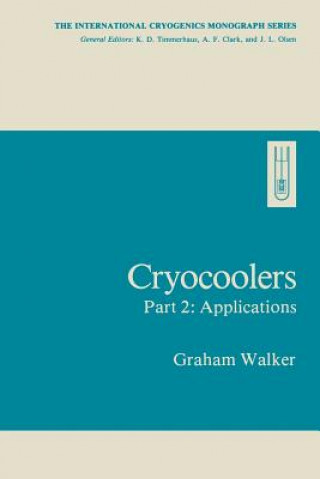
The rapidly expanding use of very low temperatures in research and high technology during the last several decades and the concurrent high degree of activity in cryogenic engineering have mutually supported each other, each improvement in refrigeration technique making possible wider oppor tunities for research and each new scientific discovery creating a need for a refrigerator with special features. In this book, Professor Walker has provided us with an excellent exposition of the achievements of this period, the fundamental principles involved, and a critical examination of the many different cryogenic systems which have led to a new era of low-level refrigeration. I feel fortunate to have had a part in the developments discussed in this book. During the early 1930s I constructed several rotary engines using leather vanes. Their performance was not good, but I was able to liquefy air. I had been impressed by the usefulness of leather cups in tire pumps and in Claude-type engines for air liquefaction. I was trying to find a way to avoid that part of the friction generated by a leather cup as a result of the radial force of the working gas on the cylindrical part of the cup. During the 1950s I built two efficient helium liquefiers in which essentially leather pistons were used.


Informácie o knihe
Angličtina

Darujte túto knihu ešte dnes
Je to jednoduché
1 Pridajte knihu do košíka a vyberte možnosť doručiť ako darček 2 Obratom Vám zašleme poukaz 3 Knihu zašleme na adresu obdarovanéhoMohlo by vás tiež zaujímať













 /
Brožovaná
23.91
€
/
Brožovaná
23.91
€











Ahoj! Som Libroamiko, tvoj knižný radca.
Ako ti môžem pomôcť?