Doprava zdarma pre objednávky nad 59,99 € s Packetou a SPS Boxmi.

Staňte sa súčasťou komunity milovníkov kníh z celého sveta a získajte hromadu výhod.
Založiť účet zdarma
Doprava zadarmo s Packetou nad 59.99 €
Kuriér DPD 2.99 €
Zberné miesto GLS 2.49 €
SPS 3.99 €
SPS Parcel Shop 2.99 €
Packeta kurýr 3.99 €
Pošta 3.99 €
Zberné miesto DPD 2.99 €
Kuriér GLS 3.99 €
Packeta 2.99 €
 Kontakt
 Ako nakupovať
Pomoc
Doručenie
Kuriér DPD 2.99 €
Zberné miesto GLS 2.49 €
SPS 3.99 €
SPS Parcel Shop 2.99 €
Packeta kurýr 3.99 €
Pošta 3.99 €
Zberné miesto DPD 2.99 €
Kuriér GLS 3.99 €
Packeta 2.99 €
Doprava zadarmo s Packetou nad 59.99 €
Nákupný poradca
Sme tu pre Vás!
02/210 210 99
Môj účet
▸
Prázdny :-(
0
Doprava zdarma pre objednávky nad 59,99 € s Packetou a SPS Boxmi.
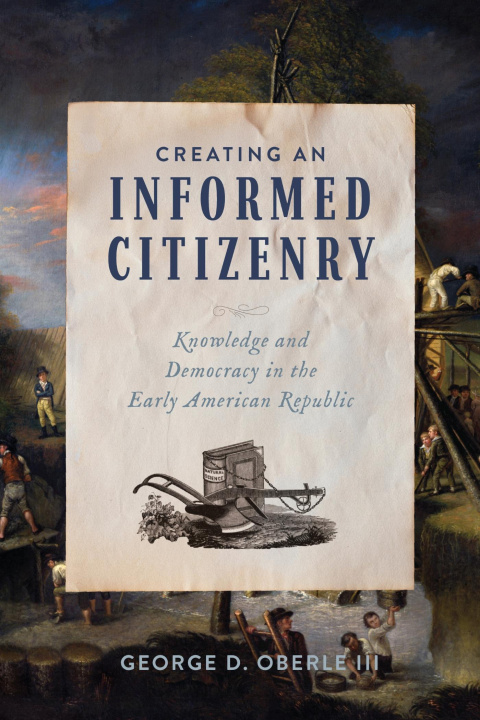
Creating an Informed Citizenry
Jazyk
 Angličtina
Angličtina
Kniha
Pevná
Examining the early debates in the United States over how best to educate the constituents of the ne...
Celý popis
Libristo kód: 49500181
?
 318 b
318 b
318 b
131.60
€
Skladom u dodávateľa
Odosielame za 9-15 dní
30 dní na vrátenie tovaru

Examining the early debates in the United States over how best to educate the constituents of the new nation.
When the founding fathers of the United States inaugurated a system of government that was unprecedented in the modern world, they knew that a functioning democracy required an educated electorate capable of making rational decisions. But who would validate the information that influenced citizens' opinions? By spotlighting various institutions of learning, George Oberle provides a comprehensive look at how knowledge was created, circulated, and consumed in the early American republic. Many of the founders, including George Washington, initially favored the creation of a centralized national university to educate Americans from all backgrounds. Over the first half of the nineteenth century, however, politicians moved away from any notion of publicly educated laypeople generating useful knowledge. The federal government ultimately founded the Smithsonian Institution in Washington, DC, to be run by experts only. Oberle's insightful analysis of the competing ideas over the nature of education offers food for thought as we continue to grapple with a rapidly evolving media landscape amid contested meanings of knowledge, expertise, and the obligations of citizenship.
Herečka
&
Polyglotka
EWA KASP
pre
Prehrať video


Libristo má najväčší výber cudzojazyčnej literatúry. Preto si knihy kupujem tu.
Informácie o knihe
Celý názov
Creating an Informed Citizenry
Autor
George D. Oberle
Jazyk
Angličtina
Angličtina
Väzba
Kniha - Pevná
Dátum vydania
2025
Počet strán
246
EAN
9780813954158
ISBN
0813954150
Libristo kód
49500181
Nakladateľstvo
University of Virginia Press
Váha
498
Rozmery
152 x 229 x 25
Kategórie

Darujte túto knihu ešte dnes
Je to jednoduché
1 Pridajte knihu do košíka a vyberte možnosť doručiť ako darček 2 Obratom Vám zašleme poukaz 3 Knihu zašleme na adresu obdarovaného
Knižný radca Libroamiko
Používaním tohto chatu komunikujete s generatívnou umelou inteligenciou. Jeho používaním tiež súhlasíte so spracovaním osobných údajov.
Ahoj! Som Libroamiko, tvoj knižný radca.
Ako ti môžem pomôcť?
Ahoj, som Libroamiko, môžem pomôcť?