
 Kontakt
 Ako nakupovať
Doručenie
Nákupný poradca
 Angličtina
 249 b
249 b
Až 30 dní na vrátenie tovaru
Zákazníci tiež kúpili





 /
/
 Brožovaná
 25.01
€
25.01
€

























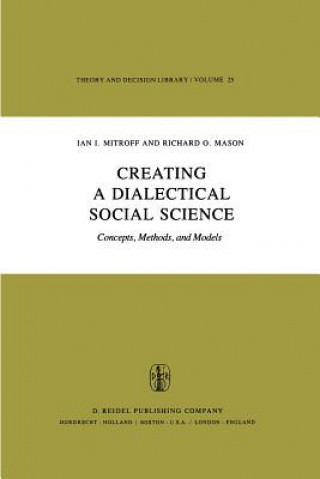
The depth, intensity, and long-standing nature of the disagreements between differing schools of social thought renders more critical than ever the treatment of dialectical reasoning and its relationship to the social sciences. The nature of these disagreements are deeply rooted in fundamentally differing beliefs regarding, among many things: (1) the nature of man, (2) the role of theory versus data in constructing social theories, (3) the place and function of values versus facts in inquiry, etc. It has become more and more apparent that such fundamental differences cannot be resolved by surface appeals to rationality or to consensus. Such for it is precisely the definitions of appeals are doomed to failure 'rationality' and 'consensus' that are at odds. That is, different schools not only have different definitions of rationality and consensus but different notions regarding their place and function within a total system of inquiry. A dialectical treatment of conflicts is called for because such conflicts demand a method which is capable of recognizing first of all how deep they lie. Secondly, a method is demanded which is capable of appreciating that the various sides of the conflict fundamentally depend on one another for their very existence; they depend, in other words, on one another not 'in spite of' their opposition but precisely 'because of' it.


Informácie o knihe
Angličtina

Darujte túto knihu ešte dnes
Je to jednoduché
1 Pridajte knihu do košíka a vyberte možnosť doručiť ako darček 2 Obratom Vám zašleme poukaz 3 Knihu zašleme na adresu obdarovanéhoMohlo by vás tiež zaujímať






 /
Brožovaná
17.24
€
/
Brožovaná
17.24
€


















Ahoj! Som Libroamiko, tvoj knižný radca.
Ako ti môžem pomôcť?