
 Kontakt
 Ako nakupovať
Doručenie
Nákupný poradca
 Angličtina
 34 b
34 b
 Nové
Nové
Až 30 dní na vrátenie tovaru

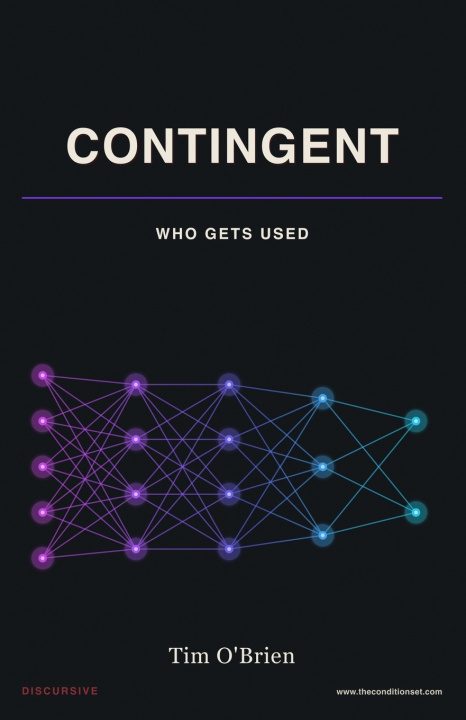
The models still work. What's scarce is permission to turn them on.
In 2029, the law is new: no AI decision that touches human lives without a human signature. The signature is what makes AI legal, insurable, and financeable. The law never says what happens to the human who signs.
Rob Coleman wrote the post-incident review of the Calloway Incident - sabotage that ran unwatched for weeks inside a pharmaceutical logistics system and killed 2,130 people. His review became the backbone of the new rules. Now he is a consultant, hired to certify Northstar, the country's leading maker of legally deployable AI, while a billionaire's acquisition waits on his name and hospitals wait on a finished routing system.
Then he opens the audit log. It says a certified orchestrator named Nadia Cho approved a refrigerated-vaccine route. Nadia says she never saw the screen. Her credential is real. The approval is not. The institution would like her to sign a statement saying she made the decision. That would be simplest for everyone.
Rob's signature can protect Nadia, preserve the standard he is certifying, or turn on the systems the clinics are waiting for. It cannot do all three.
Contingent is Book II of The Condition Set. Redundant asked who gets cut when automation reshapes work. Contingent asks who gets used when regulation demands a human name - without funding the protection of the person who provides it.
This is not a novel about rogue AI. The suspense is institutional: audit chains, certification records, a labor table, an enforcement interview, and a tired orchestrator realizing her name is already on the file.
For readers of The Warehouse, Severance, Burn-In, and The Ministry for the Future.


Informácie o knihe
Angličtina

Darujte túto knihu ešte dnes
Je to jednoduché
1 Pridajte knihu do košíka a vyberte možnosť doručiť ako darček 2 Obratom Vám zašleme poukaz 3 Knihu zašleme na adresu obdarovanéhoAhoj! Som Libroamiko, tvoj knižný radca.
Ako ti môžem pomôcť?