
 Kontakt
 Ako nakupovať

Doručenie
Nákupný poradca
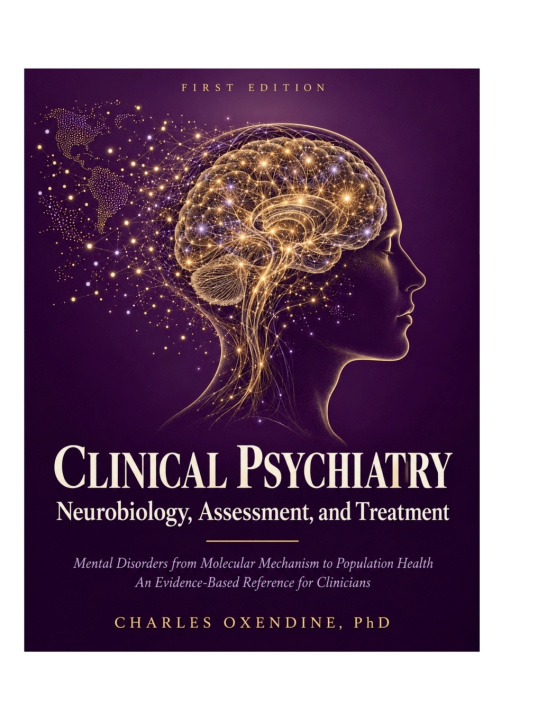
CLINICAL PSYCHIATRY
NEUROBIOLOGY, ASSESSMENT, AND TREATMENT: Mental Disorders from Molecular Mechanism to Population Health An Evidence-Based Reference for Clinicians
 Angličtina
 281 b
 Pripravujeme
 Nové
Až 30 dní na vrátenie tovaru

What does it take to move beyond recognizing psychiatric symptoms to understanding the brain mechanisms behind mental disorders, making sound diagnostic decisions, and selecting evidence-informed treatments?
Mental health care demands more than memorizing diagnostic criteria. It requires an understanding of neurobiology, careful clinical assessment, sound reasoning, and an appreciation of the evidence that guides treatment.This comprehensive textbook bridges these essential dimensions, connecting molecular mechanisms and genetic influences with clinical presentation, diagnostic evaluation, therapeutic decisions, and population health. Whether you are a psychiatry resident, medical student, practicing clinician, or mental health researcher, this evidence-based reference offers a structured approach to understanding psychiatric disorders and the complex factors that shape recovery.
Why Choose This Guide?Comprehensive Neurobiological Foundations: Explore the genetic, molecular, and neural circuit mechanisms associated with mental disorders, including neurotransmitter systems, stress physiology, inflammation, and brain development.
Systematic Psychiatric Assessment: Strengthen your understanding of psychiatric interviews, mental status examinations, diagnostic classification, structured assessment instruments, and clinical reasoning.
Major Depressive and Bipolar Disorders: Examine the presentation, underlying mechanisms, diagnostic challenges, and evidence-informed treatment approaches for mood disorders.
Schizophrenia and Psychotic Disorders: Understand the neurobiology of psychosis, differential diagnosis, antipsychotic treatment, early intervention, and long-term recovery considerations.
Anxiety, OCD, and Trauma-Related Conditions: Develop a clearer understanding of anxiety disorders, obsessive-compulsive disorder, post-traumatic stress, and the psychological and pharmacological approaches used in treatment.
Addiction and Neurodevelopmental Disorders: Explore substance use disorders, addiction mechanisms, ADHD, autism spectrum disorder, and the clinical considerations involved in assessment and management across the lifespan.
Evidence-Informed Treatment Strategies: Examine pharmacological and psychological interventions, treatment-resistant depression, neuromodulation, relapse prevention, and the rationale behind therapeutic choices.
Clinical Risk Assessment and Patient Safety: Build your understanding of suicide and self-harm assessment, safety planning, decision-making capacity, psychiatric emergencies, and the limitations of predictive tools.
Special Populations and Complex Presentations: Explore perinatal psychiatry, feeding and eating disorders, personality disorders, delirium, dementia, and psychiatric symptoms associated with medical illness.
Practical Reference Tools and Population Health Perspectives: Benefit from differential diagnosis tables, treatment comparisons, evidence appraisal, psychotropic medication monitoring resources, assessment scales, emergency algorithms, and discussions of disparities in mental health care.
Take the next step in your understanding of mental health and psychiatric medicine. Equip yourself with a deeper knowledge of neurobiology, sharper diagnostic reasoning, and a stronger foundation for evidence-informed clinical learning. Get your copy of Clinical Psychiatry: Neurobiology, Assessment, and Treatment today!


Informácie o knihe
Angličtina

Darujte túto knihu ešte dnes
Je to jednoduché
1 Pridajte knihu do košíka a vyberte možnosť doručiť ako darček 2 Obratom Vám zašleme poukaz 3 Knihu zašleme na adresu obdarovanéhoAhoj! Som Libroamiko, tvoj knižný radca.
Ako ti môžem pomôcť?