
 Kontakt
 Ako nakupovať
Doručenie
Nákupný poradca
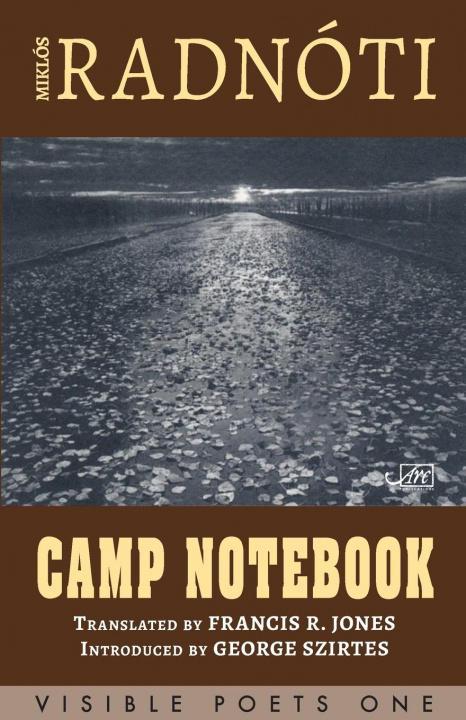
Camp Notebook
 Angličtina
 27 b
27 b
30 dní na vrátenie tovaru
Zákazníci tiež kúpili












 /
/
 Brožovaná
 21.16
€
21.16
€



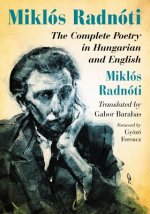
Miklós Radnóti was one of the most talented young poets in 1930s Hungary. He developed a unique poetic voice: in verses of rare luminosity, he gave a vivid, complex vision of love and pain, exuberance and foreboding. Although his voice was deeply individual, he was writing well within the European mainstream: a talented translator, he published Hungarian versions of verses by Blake and Keats, Apollinaire and Eluard, Brecht and Rilke, and many others.
During the Second World War, being of Jewish descent, Radnóti served three periods of forced labour, the last in a slave camp in northern Serbia. Here, in a tiny concealed notebook, he wrote his last and finest poems. In November 1944, in the western Hungarian town of Abda, Radnóti was shot whilst being force-marched towards Germany during the liberation of the Balkans. His body was exhumed from a ditch after the war, and identified from the notebook in his pocket.
The fame of this notebook (the pages of which are reproduced at the beginning of this volume) does not only rest on the poignancy of its story; Camp Notebook is a masterpiece in its own right, a crucial work of European verse. It is one of the greatest pieces of literature to emerge from the Holocaust, and probably the finest volume of poetry born from the horror of the Second World War.


Informácie o knihe
Angličtina

Darujte túto knihu ešte dnes
Je to jednoduché
1 Pridajte knihu do košíka a vyberte možnosť doručiť ako darček 2 Obratom Vám zašleme poukaz 3 Knihu zašleme na adresu obdarovanéhoMohlo by vás tiež zaujímať




 /
Brožovaná
9.92
€
/
Brožovaná
9.92
€














Ahoj! Som Libroamiko, tvoj knižný radca.
Ako ti môžem pomôcť?