
 Kontakt
 Ako nakupovať
Doručenie
Nákupný poradca
 Angličtina
 44 b
44 b
 Nové
Nové
Až 30 dní na vrátenie tovaru

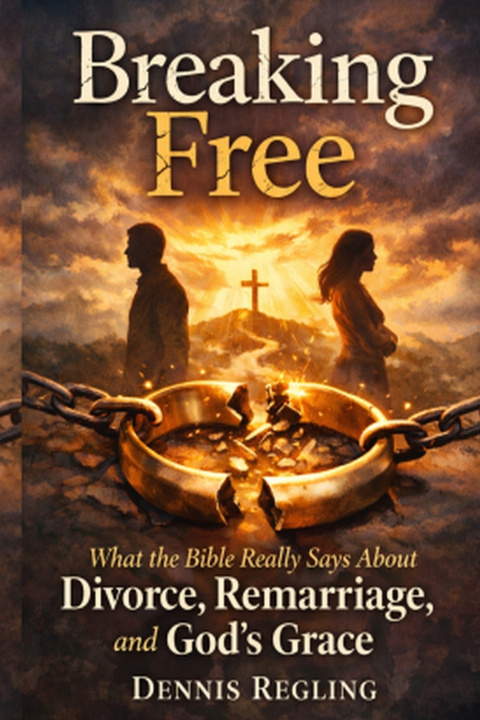
Few topics in the church carry the weight that divorce and remarriage do. There is grief. There is shame. There is fear. And too often, there is a theology that makes all of these worse.
What sets this work apart is its commitment to reading the biblical text within its own world. For too long, we have read Jesus' words about divorce through the lens of Western theology, medieval sacramentalism, and modern culture wars. This book returns to the primary sources-the Mishnah, the Dead Sea Scrolls, the ancient divorce certificates, the legal culture of Second Temple Judaism-and asks a simple but revolutionary question: What did Jesus' audience actually hear when he spoke?
The answer, as you will discover, is both more nuanced and more compassionate than many of us were taught. It upholds the sanctity of marriage while offering genuine hope and freedom to those whose marriages have been destroyed by another's sin.
This book began, as many books about difficult subjects do, with a question-one that I have heard asked in different forms by men and women across the body of Christ: "Does God really want me to be alone for the rest of my life because of what my spouse did?"
It is a question asked by countless believers whose marriages have been destroyed by a spouse's unfaithfulness, abuse, or abandonment-only to be told that remarriage is forbidden, that they must bear this burden for life, and that the "safest" theological position is the most restrictive one.
For many years, I accepted the standard answers. I had been taught that divorce was permissible only for adultery and perhaps desertion, that remarriage was far more complicated, and that the "exception clause" in Matthew 19:9 might not mean what it seemed to mean. The safest course, I was told, was to err on the side of restriction.
But the more I listened to people whose lives had been shattered by a spouse's unfaithfulness or cruelty, the less those answers felt safe. They felt like a second betrayal.
That realization sent me on a journey that has lasted years. I have read thousands of pages of scholarship-ancient and modern. I have studied the Hebrew and Greek texts. I have read the Mishnah and the Dead Sea Scrolls. I have examined actual first-century divorce certificates. I have studied Ancient Near Eastern treaty law. And I have listened to the stories of many people whose lives have been touched-or crushed-by the church's teaching on this subject.
What I have found has changed me.
I have discovered that the dominant evangelical position on divorce and remarriage-what is often called the "permanence view"-is built on a series of exegetical mistakes, historical oversights, and philosophical assumptions that would have been foreign to Jesus, to Paul, and to every Jew in the first century. I have discovered that when we read the biblical texts within the world that produced them-the world of Second Temple Judaism, of Ancient Near Eastern covenant law, of first-century rabbinic debate-a coherent, beautiful, and deeply compassionate theology emerges. A theology that upholds the sanctity of marriage and provides genuine protection for the vulnerable. A theology that takes sin seriously and offers hope to the broken.
This book is my attempt to share that discovery.


Informácie o knihe
Angličtina

Darujte túto knihu ešte dnes
Je to jednoduché
1 Pridajte knihu do košíka a vyberte možnosť doručiť ako darček 2 Obratom Vám zašleme poukaz 3 Knihu zašleme na adresu obdarovanéhoAhoj! Som Libroamiko, tvoj knižný radca.
Ako ti môžem pomôcť?