
 Kontakt
 Ako nakupovať
Doručenie
Nákupný poradca
 Angličtina
 44 b
44 b
 Nové
Nové
Až 30 dní na vrátenie tovaru

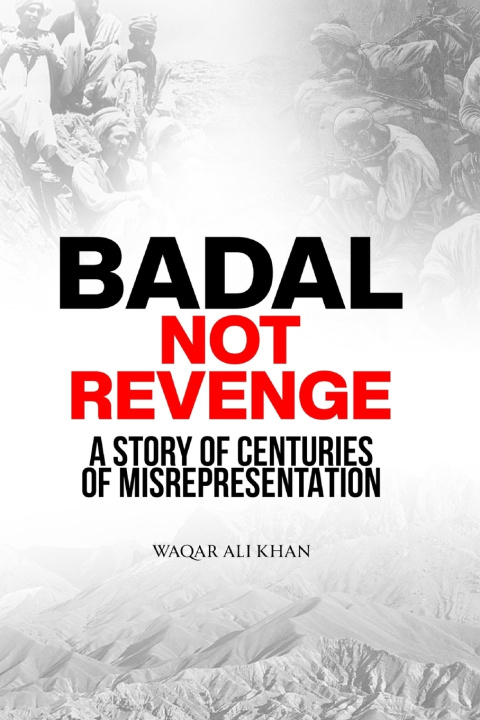
This book is about a fundamental concept of Pashtunwali - the code of life of the Pashtuns, the biggest ethnic group in the world with around 60 Million population, spread across Afghanistan, Pakistan, India and having a diaspora around the world in Europe, USA, and Australia. This concept is named "Badal" which over the last 200 years has been consistently, and erroneously, translated to revenge by the British scholars who worked for the then British India, and subsequently by most of the British trained scholars. The Book argues that Badal does not translate to revenge and translating it to revenge has led to disastrous consequences for the entire Pashtun ethnicity. The mistranslation has fed into official policy, that in turn has gravitated to use of brute force and violence by various states that have come in contact with the Pashtuns, either as colonisers or occupiers and attackers.
This mistranslation, or misrepresentation, has actually been there well before the British arrived on the North-West Frontier of British India. The Book traces its origin to the court of Mughal Emperor Jehangir, where on one occasion a Persian diplomat referred to the Pashtuns as offsprings of the Jinn. Emperor Jehangir, because of his ancestors background with the Pashtuns, was quite receptive to this mischaracterisation. The British, for reasons not too different from those of the Mughals, picked that mischaracterisation from where the Mughals left it, built upon it, and perpetuated it through a supposedly scholarly cycle of citing and re-citing.
The Book explores and critiques various aspects of the colonial scholarship about the Pashtuns, colonial laws and institutions tailor-made for the North-West Frontier of British India, where millions of Pashtuns lived for multiple centuries. The book establishes a well-reasoned case that the Pashtunwali's social architecture is not held by the cornerstone of Honour or Revenge, as identified by British scholars and those who followed them. The book then unveils the true cornerstone of the Pashtuns social edifice, thus making an effort to decolonise the word "Badal" and invalidate all that colonial scholarship that paints a portrait of the Pashtun as blood-thirsty and revengeful savages.


Informácie o knihe
Angličtina

Darujte túto knihu ešte dnes
Je to jednoduché
1 Pridajte knihu do košíka a vyberte možnosť doručiť ako darček 2 Obratom Vám zašleme poukaz 3 Knihu zašleme na adresu obdarovanéhoAhoj! Som Libroamiko, tvoj knižný radca.
Ako ti môžem pomôcť?