
 Kontakt
 Ako nakupovať
Doručenie
Nákupný poradca
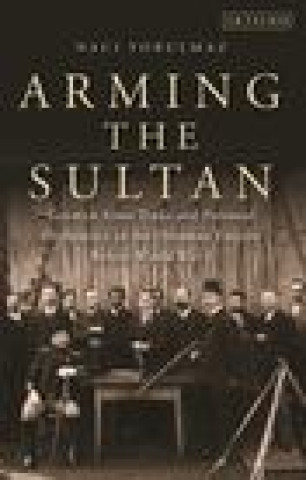
Arming the Sultan
German Arms Trade and Personal Diplomacy in the Ottoman Empire Before World War I
 Angličtina
 116 b
116 b
Až 30 dní na vrátenie tovaru
Zákazníci tiež kúpili









International Arms Trade has always been a powerful and multi-functional constituent of world politics and international diplomacy. Sending military advisors abroad and promoting arms sales, each legitimizing and supporting the other, became indispensable tools of alliance-making starting from the eve of the First World War until today. To the German Empire, as a relative latecomer to imperialistic rivalry in the struggle for colonies around the word in the late 19th century, arms exports performed a decisive service in stimulating and strengthening the German military-based expansionist economic foreign policy and provided effective tools to create new alliances around the globe. Therefore, from the outset, the German armament firms' marketing and sales operations to the global arms market but especially to the Ottoman Empire, under the rule of Sultan Abdülhamid II, were openly and strongly supported by Kaiser Wilhelm II, Bismarck and the other decision-makers in German Foreign Policy.
Based on extensive multinational archival research in Germany, Turkey, Britain and the United States, Arming the Sultan explores the decisive impact of arms exports on the formation and stimulation of Germany's expansionist foreign economic policy towards the Ottoman Empire. Making an important contribution to current scholarship on the political economy of the international arms trade, Yorulmaz's innovative book Arming the Sultan reveals that arms exports, specifically under the shadow of personal diplomacy, proved to be an indispensable and integral part of Germany's foreign economic policy during the period leading up to WW1.


Informácie o knihe
Angličtina

Darujte túto knihu ešte dnes
Je to jednoduché
1 Pridajte knihu do košíka a vyberte možnosť doručiť ako darček 2 Obratom Vám zašleme poukaz 3 Knihu zašleme na adresu obdarovanéhoMohlo by vás tiež zaujímať






Ahoj! Som Libroamiko, tvoj knižný radca.
Ako ti môžem pomôcť?