
 Kontakt
 Ako nakupovať
Doručenie
Nákupný poradca
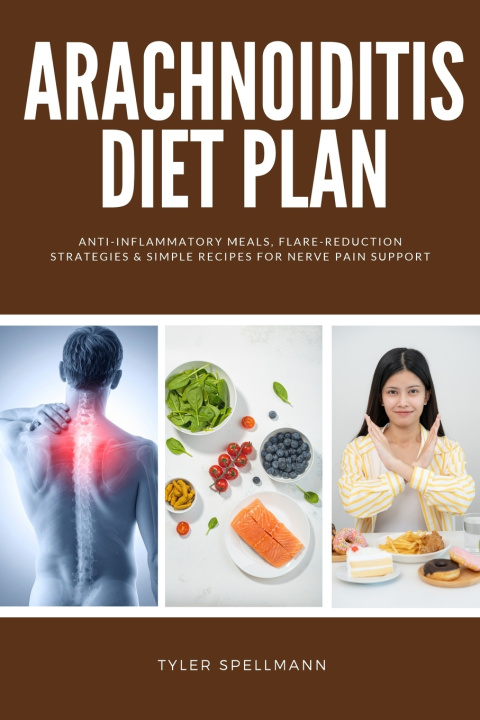
Arachnoiditis Diet Plan
Anti-Inflammatory Meals, Flare-Reduction Strategies & Simple Recipes for Nerve Pain Support
 Angličtina
 32 b
32 b
Až 30 dní na vrátenie tovaru

Arachnoiditis is a complex neurological condition characterized by inflammation of the arachnoid mater, the delicate membrane that surrounds the brain and spinal cord.
This inflammation can result from causes such as trauma, infections, or complications following spinal procedures, and leads to a range of symptoms that can be both chronic and deeply disruptive.
The most prominent among these is persistent nerve pain, often described as burning, stinging, or electric shock-like, which significantly impacts quality of life for those affected. The pain is largely a result of both direct nerve irritation and ongoing inflammatory processes within the central nervous system, making everyday activities challenging and sometimes overwhelming for patients with arachnoiditis.
Chronic nerve pain and inflammation are tightly interwoven in arachnoiditis. As inflammation persists, the nerve tissue is damaged further, causing neuropathic symptoms to intensify and often spread. This cycle can lead to heightened sensitivity in the nervous system, resulting in symptoms such as muscle cramps, numbness, tingling, and even mobility issues.
Managing this inflammatory cascade is therefore a central goal in reducing the frequency and severity of nerve pain associated with the condition. While medications and interventional therapies play a vital role, research increasingly supports the power of nutrition as a foundational and complementary strategy.
Diet can have a direct influence on the body's inflammatory processes, with certain foods and dietary patterns shown to exacerbate or reduce inflammation at the cellular level. Diets high in processed sugars, saturated fats, and artificial additives are linked to increased inflammatory markers, whereas nutrient-rich, whole food diets have been associated with lower levels of systemic inflammation and improved pain outcomes in chronic conditions. Nutritional modulation not only targets the inflammatory response but may also help regulate oxidative stress and support nerve cell repair, offering a valuable adjunct to medical management for individuals with arachnoiditis.
The primary objective of adopting an anti-inflammatory diet plan for arachnoiditis is to calm ongoing inflammation, stabilize nerve function, and support overall well-being. By emphasizing foods that are rich in omega-3 fatty acids, antioxidants, and phytonutrients, and by limiting ingredients that promote inflammation, it is possible to create a dietary environment more conducive to nerve healing and pain control.
The goals include improving day-to-day comfort, lowering the risk of flare-ups, and augmenting the effectiveness of other therapies. Additionally, proper nutrition can help patients maintain a healthy weight, reduce fatigue, and optimize digestion-all factors relevant to those managing chronic pain syndromes.
In this guide, you will discover:
- Step-by-step support for making dietary changes that can make a real difference
- Proven strategies for meal planning, food selection, and preparation
- Practical tools for identifying personal dietary triggers and managing setbacks
- Evidence-based recommendations on what to eat and what to limit
- A collection of simple, flavorful recipes tailored for nerve pain support
- Guidance on supplementation, mindful eating, and strategies for long-term sustainability


Informácie o knihe
Angličtina

Darujte túto knihu ešte dnes
Je to jednoduché
1 Pridajte knihu do košíka a vyberte možnosť doručiť ako darček 2 Obratom Vám zašleme poukaz 3 Knihu zašleme na adresu obdarovanéhoAhoj! Som Libroamiko, tvoj knižný radca.
Ako ti môžem pomôcť?