Doprava zdarma pre objednávky nad 59,99 € s Packetou a SPS Boxmi.

Staňte sa súčasťou komunity milovníkov kníh z celého sveta a získajte hromadu výhod.
Založiť účet zdarma
Doprava zadarmo s Packetou nad 59.99 €
Kuriér DPD 2.99 €
Zberné miesto GLS 2.49 €
SPS 3.99 €
SPS Parcel Shop 2.99 €
Packeta kurýr 3.99 €
Pošta 3.99 €
Zberné miesto DPD 2.99 €
Kuriér GLS 3.99 €
Packeta 2.99 €
 Kontakt
 Ako nakupovať
Pomoc
Doručenie
Kuriér DPD 2.99 €
Zberné miesto GLS 2.49 €
SPS 3.99 €
SPS Parcel Shop 2.99 €
Packeta kurýr 3.99 €
Pošta 3.99 €
Zberné miesto DPD 2.99 €
Kuriér GLS 3.99 €
Packeta 2.99 €
Doprava zadarmo s Packetou nad 59.99 €
Nákupný poradca
Sme tu pre Vás!
02/210 210 99
Môj účet
▸
Prázdny :-(
0
Doprava zdarma pre objednávky nad 59,99 € s Packetou a SPS Boxmi.
Jazyk
 Angličtina
Angličtina
Kniha
Brožovaná
Altered Human Abilities "Ḥaylā d-barnāshā ethshanyū; u-reshīmā ethkthab men qadmayā." "Human abiliti...
Celý popis
Libristo kód: 52546148
?
 47 b
47 b
 Nové
Nové
47 b
Nové
19.33
€
Očakávané naskladnenie
Naskladnenie 31. 05. 2026
30 dní na vrátenie tovaru

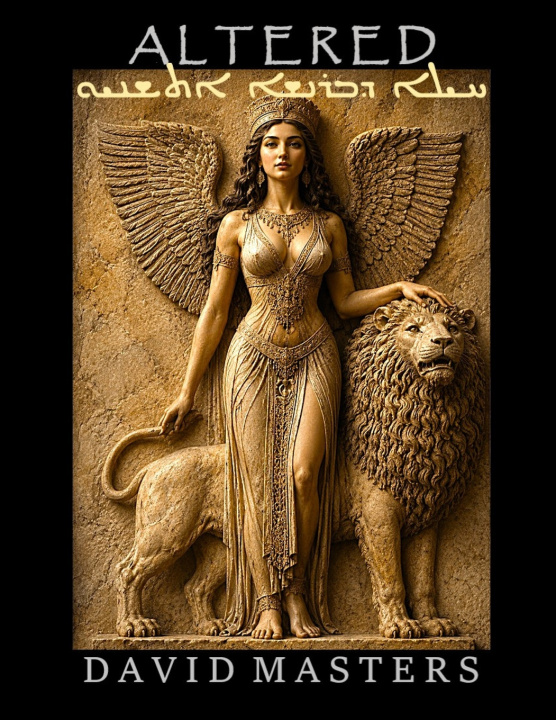
Altered Human Abilities
"Ḥaylā d-barnāshā ethshanyū; u-reshīmā ethkthab men qadmayā.""Human abilities were altered; and the record was rewritten from the beginning."
Across the dusty corridors of Mesopotamian history, few discoveries ignite as much fascination-and controversy-as a sealed tablet attributed to the ancient world of Sumer. This particular artifact, long associated with the goddess Ninhursag, has recently become the center of intense debate after claims emerged that its contents describe a forgotten chapter in humanity's origins.
In Sumerian tradition, Ninhursag was revered as a shaping force of life itself-an architect of form, growth, and the subtle balance between nature and spirit. She stands among the most significant figures in the mythological record, often linked to the creation of early humans and the guidance of civilization's earliest foundations. Yet in modern speculative interpretations, this newly examined sealed tablet is said to go further than myth alone. It allegedly outlines a list of human abilities that were once inherent-but later diminished, restricted, or entirely removed.
These claims sit at the intersection of archaeology, mythology, and modern reinterpretation of ancient texts tied to the broader lore of the Anunnaki. Within this narrative framework, humanity is not simply the product of gradual evolution or divine blessing, but something altered-an early form reshaped by unknown forces. The sealed tablet, as described in these interpretations, becomes less an artifact and more a coded memory of what human beings may once have been.
The abilities allegedly recorded range from heightened sensory perception and expanded lifespans to extraordinary cognitive capacities and forms of awareness that blur the boundary between mind and cosmos. Some interpretations even suggest references to intuitive knowledge systems that transcend ordinary human cognition-states of perception where thought, environment, and consciousness appear to merge.
Whether viewed as symbolic mythology, misunderstood religious metaphor, or speculative reconstruction of lost knowledge, the story of this tablet forces a difficult question to the surface: if ancient civilizations encoded ideas of diminished human potential into their sacred texts, what exactly were they trying to preserve-or warn against?
Herečka
&
Polyglotka
EWA KASP
pre
Prehrať video


Libristo má najväčší výber cudzojazyčnej literatúry. Preto si knihy kupujem tu.
Informácie o knihe
Celý názov
Altered
Autor
David Masters
Jazyk
Angličtina
Angličtina
Väzba
Kniha - Brožovaná
Dátum vydania
2026
Počet strán
116
EAN
9798198744165
Libristo kód
52546148
Nakladateľstvo
Independently published
Váha
290
Rozmery
216 x 280 x 6

Darujte túto knihu ešte dnes
Je to jednoduché
1 Pridajte knihu do košíka a vyberte možnosť doručiť ako darček 2 Obratom Vám zašleme poukaz 3 Knihu zašleme na adresu obdarovaného
Knižný radca Libroamiko
Používaním tohto chatu komunikujete s generatívnou umelou inteligenciou. Jeho používaním tiež súhlasíte so spracovaním osobných údajov.
Ahoj! Som Libroamiko, tvoj knižný radca.
Ako ti môžem pomôcť?
Ahoj, som Libroamiko, môžem pomôcť?