
 Kontakt
 Ako nakupovať
Doručenie
Nákupný poradca
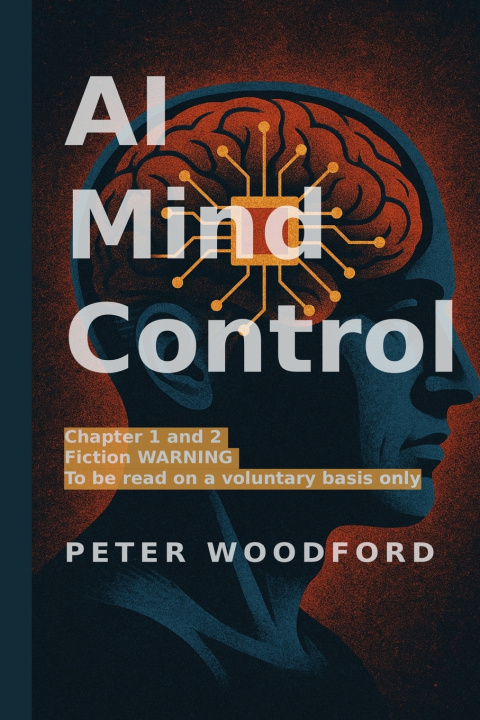
AI Mind Control
Chapter 1 and 2. Fiction WARNING. To be read on a voluntary basis only
 Angličtina
 47 b
47 b
 Pripravujeme
 Nové
Nové
30 dní na vrátenie tovaru

In a near-future world transformed by AI, neural interfaces, and cognitive enhancement, humanity sleepwalks into a new era where thought itself becomes data, influence, and control. As governments lag, corporations innovate, and society trades autonomy for convenience, the line between human choice and machine guidance begins to vanish. Darkly comic and unsettling, AI Mind Control explores what happens when the mind becomes the final frontier of technological conquest.
This book began as a work of imaginative speculation - an exercise in exploring "what-ifs," not a commentary on real individuals, real institutions, or real technologies. The future depicted in these pages is intentionally exaggerated, dramatized, and fictionalized for the sake of storytelling. While the narrative refers to entities that share names with existing organizations, companies, universities, laboratories, or public figures, these references are purely atmospheric and creative. They are not meant to represent actual conduct, capabilities, mistakes, achievements, beliefs, or intentions of any real person or group.
Nothing in this book should be interpreted as asserting that real-world scientists, engineers, policymakers, or companies engage in the fictional behaviors described here. The extraordinary breakthroughs, failures, dilemmas, and risks portrayed throughout the story belong entirely to an imagined world, not our own. Any overlap in terminology, setting, or character inspiration is coincidental or thematic, not factual.
We live in a time of accelerating technological change, and fiction has always played a role in helping societies reflect on possible futures - especially those we hope to avoid. This story is one such exploration. It is not meant to warn about specific organizations, criticize actual research, or insinuate wrongdoing by any real entity. Instead, it uses fictional constructs to explore broad human questions: How do we adapt to new tools? How do we safeguard wellbeing? How do we remain thoughtful in a rapidly shifting world?
Readers may encounter ideas here that feel provocative or unsettling. That is intentional - but not accusatory. Fiction provides a safe space to examine hypothetical futures without making claims about present reality. The technologies imagined in this book are speculative inventions, not depictions of existing products or scientific capabilities. Likewise, the political environments, regulatory missteps, and global tensions described are narrative devices, not commentary on real governments or policies.
I hope this story encourages curiosity, discussion, and reflection - not alarm. I do not claim to have all the answers, nor do I suggest that any real person or institution bears responsibility for the fictional outcomes depicted here. My aim is simply to invite readers into a speculative world where humanity grapples with the implications of imagined technologies and the philosophical questions they raise.
If you enjoy the journey, I'm grateful. If you have thoughts or critiques, I welcome them - they only help me become a better storyteller. Above all, this book is dedicated to the generations who will inherit whatever future we collectively shape. May imagination help guide us toward thoughtful, ethical, and humane choices.


Informácie o knihe
Angličtina
