
 Kontakt
 Ako nakupovať
Doručenie
Nákupný poradca
 Angličtina
 77 b
77 b
Až 30 dní na vrátenie tovaru
Zákazníci tiež kúpili





 /
/
 Brožovaná
 26.58
€
26.58
€








 /
/
 Adobe ePub DRM
11.01
€
Adobe ePub DRM
11.01
€















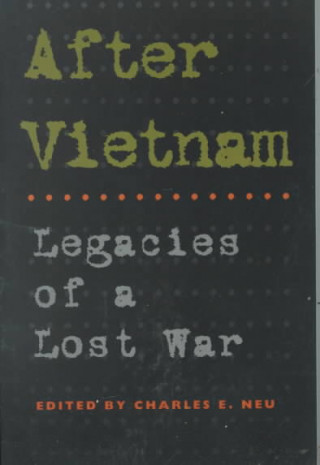
Efforts to understand the impact of the Vietnam War on America began soon after it ended, and they continue to the present day. In After Vietnam four distinguished scholars focus on different elements of the war's legacy, while one of the major architects of the conflict, former defense secretary Robert S. McNamara, contributes a final chapter pondering foreign policy issues of the twenty-first century. In the book's opening chapter, Charles E. Neu explains how the Vietnam War changed Americans' sense of themselves: challenging widely-held national myths, the war brought frustration, disillusionment, and a weakening of Americans' sense of their past and vision for the future. Brian Balogh argues that Vietnam became such a powerful metaphor for turmoil and decline that it obscured other forces that brought about fundamental changes in government and society. George C. Herring examines the postwar American military, which became nearly obsessed with preventing "another Vietnam." Robert K. Brigham explores the effects of the war on the Vietnamese, as aging revolutionary leaders relied on appeals to "revolutionary heroism" to justify the communist party's monopoly on political power. Finally, Robert S. McNamara, aware of the magnitude of his errors and burdened by the war's destructiveness, draws lessons from his experience with the aim of preventing wars in the future.


Informácie o knihe
Angličtina
Kategórie

Darujte túto knihu ešte dnes
Je to jednoduché
1 Pridajte knihu do košíka a vyberte možnosť doručiť ako darček 2 Obratom Vám zašleme poukaz 3 Knihu zašleme na adresu obdarovanéhoMohlo by vás tiež zaujímať













 /
Brožovaná
14.04
€
/
Brožovaná
14.04
€
 /
Brožovaná
6.36
€
/
Brožovaná
6.36
€





 /
Pevná
25.57
€
/
Pevná
25.57
€




Ahoj! Som Libroamiko, tvoj knižný radca.
Ako ti môžem pomôcť?