
 Kontakt
 Ako nakupovať
Doručenie
Nákupný poradca
 Angličtina
 221 b
221 b
30 dní na vrátenie tovaru
Zákazníci tiež kúpili







 /
/
 Papierenský tovar
 36.44
€
36.44
€


 /
/
 Brožovaná
9.81
€
Brožovaná
9.81
€
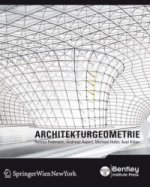

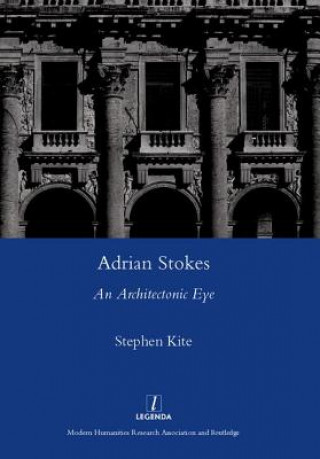
Adrian Stokes (1902-72) - aesthete, critic, painter and poet - is among the most original and creative writers on art of the twentieth century. He was the author of over twenty critical books and numerous papers: for example, the remarkable series of books published in the 1930s; The Quattro Cento (1932), Stones of Rimini (1934), and Colour and Form (1937) that embraced Mediterranean culture and modernity. His criticism extends the evocative English aesthetic tradition of Walter Pater and John Ruskin into the present, endowed by a stern sensibility to the consolations offered by art and architecture, and the insights that psychoanalysis affords. Indeed, for Stokes architecture provides the entree into art, and this book is the first study to comprehensively examine Stokess theory of art from a specifically architectonic perspective. The volume explores the crucial experiences through which this architectonic awareness evolved; traces the influence upon Stokes of places, texts and personalities, and examines how his theory of art developed and matured. The argument is supported by appropriate illustrations to confirm the evidence that Stokess claim for architecture as mother of the arts carries the deepest experiential and psychological import.


Informácie o knihe
Angličtina

Darujte túto knihu ešte dnes
Je to jednoduché
1 Pridajte knihu do košíka a vyberte možnosť doručiť ako darček 2 Obratom Vám zašleme poukaz 3 Knihu zašleme na adresu obdarovanéhoMohlo by vás tiež zaujímať
 /
Pevná
223.27
€
/
Pevná
223.27
€

 /
Brožovaná
15.18
€
/
Brožovaná
15.18
€
 /
Brožovaná
30.27
€
/
Brožovaná
30.27
€


 /
Pevná
123.53
€
/
Pevná
123.53
€

Ahoj! Som Libroamiko, tvoj knižný radca.
Ako ti môžem pomôcť?