
 Kontakt
 Ako nakupovať
Doručenie
Nákupný poradca
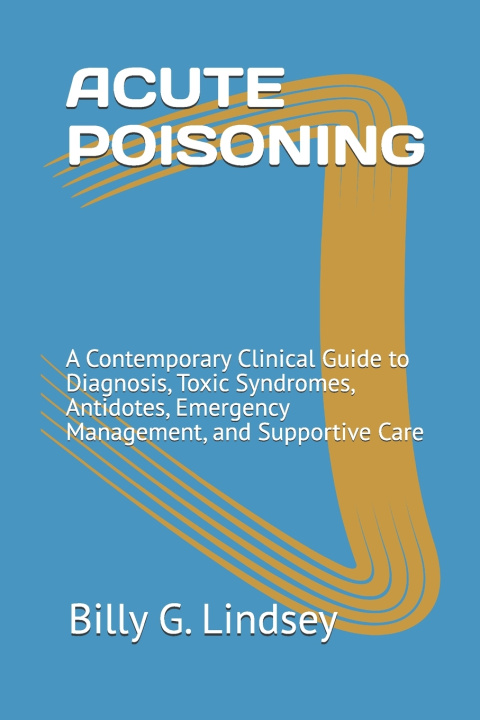
ACUTE POISONING
A Contemporary Clinical Guide to Diagnosis, Toxic Syndromes, Antidotes, Emergency Management, and Supportive Care
 Angličtina
 115 b
115 b
 Nové
Nové
Až 30 dní na vrátenie tovaru

ACUTE POISONING
A Contemporary Clinical Guide to Diagnosis, Toxic Syndromes, Antidotes, Emergency Management, and Supportive Care
When poisoning occurs, early recognition and decisive management can save a life. Yet toxic exposures often present with incomplete histories, nonspecific symptoms, mixed ingestions, and rapidly evolving complications.
Acute Poisoning provides a practical, contemporary approach to the assessment and management of poisoned patients, bringing together essential principles of emergency stabilization, toxicological diagnosis, antidotal therapy, decontamination, enhanced elimination, and supportive critical care.
Beginning with a structured ABCDE approach, the book explains how to rapidly identify life-threatening respiratory, cardiovascular, neurological, metabolic, and systemic complications while determining the most likely toxic exposure. It explores the clinical use of ECGs, laboratory testing, blood-gas analysis, targeted toxin concentrations, imaging, and bedside assessment without relying unnecessarily on nonspecific toxicology screens.
Readers will find focused guidance on major poisoning categories, including:
- Sedative-hypnotics, anticonvulsants, and antidepressants
- Opioids and other drugs producing central nervous system depression
- Cardiovascular medications and cardiotoxic overdoses
- Bronchodilators and sympathomimetic agents
- Acetaminophen, salicylates, and toxic alcohols
- Pesticides, organophosphates, carbamates, and herbicides
- Paraquat and other highly hazardous agricultural chemicals
- Hydrocarbons, solvents, and household products
- Corrosive substances and chemical exposures
- Rodenticides and other environmental toxins
- Marine toxins, venomous marine animals, and seafood-associated poisoning
The book emphasizes modern toxicology practice, including appropriate use of activated charcoal, indications and limitations of multiple-dose charcoal, toxin-specific antidotes, sodium bicarbonate therapy, high-dose insulin therapy, naloxone, N-acetylcysteine, fomepizole, digoxin-specific antibody fragments, hydroxocobalamin, atropine, and other targeted interventions.
Special attention is given to situations requiring advanced care, including seizures, respiratory failure, shock, dysrhythmias, severe metabolic disturbances, hyperthermia, rhabdomyolysis, acute kidney injury, and multiorgan toxicity. Extracorporeal treatments are discussed according to toxin-specific pharmacokinetic and clinical criteria rather than as routine interventions.
Beyond acute treatment, Acute Poisoning addresses intentional self-poisoning, pediatric exposures, occupational hazards, medication safety, household prevention, safeguarding, and strategies for reducing recurrent toxic exposure.
Throughout the book, practical case scenarios, clinical pearls, management principles, and concise checklists help translate toxicology knowledge into clear bedside decisions.
Whether used by physicians, nurses, pharmacists, paramedics, students, emergency-care professionals, or other healthcare practitioners, Acute Poisoning is designed to provide a structured clinical framework for moving from recognition and stabilization to diagnosis, targeted treatment, monitoring, and safe disposition.
A practical resource for understanding poisoning, responding to toxic emergencies, and delivering contemporary patient-centered care.


Informácie o knihe
Angličtina

Darujte túto knihu ešte dnes
Je to jednoduché
1 Pridajte knihu do košíka a vyberte možnosť doručiť ako darček 2 Obratom Vám zašleme poukaz 3 Knihu zašleme na adresu obdarovanéhoAhoj! Som Libroamiko, tvoj knižný radca.
Ako ti môžem pomôcť?