
 Kontakt
 Ako nakupovať
Doručenie
Nákupný poradca
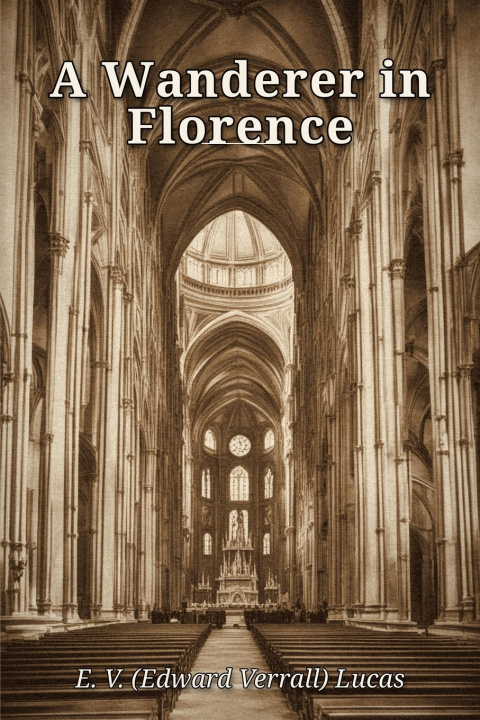
A Wanderer in Florence
 Angličtina
 90 b
90 b
 Pripravujeme
 Nové
Nové
Až 30 dní na vrátenie tovaru

sisatraveloguethatwaslikelywrit ten in the early 20th century. The narrative engages with the rich artis tic and historical heritage of Florence, focusing particularly on the Duomo, its construction, and the prominent figures connected to it. It introduces readers to the enchanting qualities of Florence, shaped by the Renaissance's greatest minds, and hints at various architectural marvels that define the cityscape. The opening of the book begins with a preface that expresses the author'sintentiontoconveythebeautyandsignificanceofFlorencethrough its artistic achievements and the warmth of its people. Lucas emphasizes the Duomo,orCathedral of S. Maria del Fiore, describing its grandeur and contrasting its exterior ornamentation with the hushed sanctity of its inte rior. The first chapter delves into the history of the Duomo, detailing its construction under notable architects like Arnolfo di Cambio and Giotto, while also highlighting the artistic legacy of figures like Brunelleschi and Do natello. This setup not only transports readers to the heart of Florence but also ignites curiosity about the cultural narratives intertwined with its land marks.
T TheCityoftheMiracle-TheMarbleCompanions-TwilightandImmensity ArnolfodiCambio-Dante'sseat-Ruskin's"Shepherd"-Giottothevarious Giotto'sfun-TheindomitableBrunelleschi-MakersofFlorence-Thepresent façade. All visitors to Florence make first for the Duomo. Let us do the same. The real name of the Duomo is the Cathedral of S. Maria del Fiore, or St. Mary of the Flowers, the flower being the Florentine lily. Florence herself is called the City of Flowers, and that, in the spring and summer, is a happy enough description. But in the winter it fails. A name appropriate to all the seasons would be the City of the Miracle, the miracle being the Renais sance. For though all over Italy traces of the miracle are apparent, Florence was its very home and still can point to the greatest number of its achieve ments. Giotto(atthebeginningofthisquickeningmovement)mayatAssisi have been more inspired as a painter; but here is his campanile and here are his S. Maria Novella and S. Croce frescoes. Fra Angelico and Donatello


Informácie o knihe
Angličtina
