
 Kontakt
 Ako nakupovať
Doručenie
Nákupný poradca
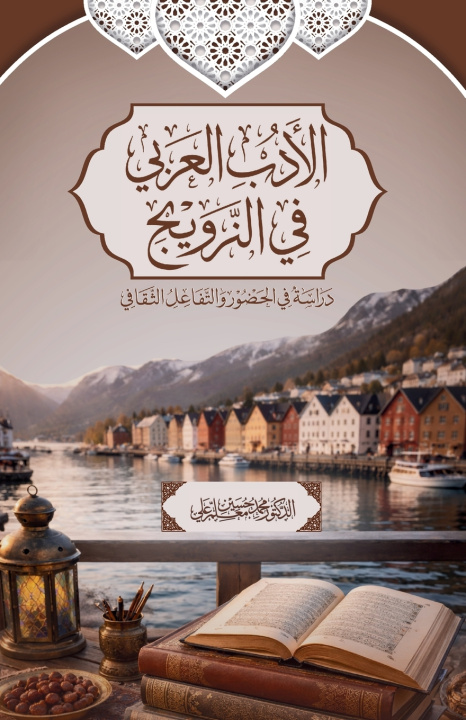
الأدب العربي في النرويج
دراسة في الحضور والتفاعل الثقافي al-Adab al-ʿArabī fī'l Norwījī: Dirāsah fī'l Ḥaḍūr wa'l Tafāʿil al-Thaqāfī
 Arabčina
 80 b
80 b
 Nové
Nové
Až 30 dní na vrátenie tovaru

يقدّم هذا الكتاب قراءة موثقة وعميقة للحضور الأدبي العربي في النرويج، بوصفه ظاهرة ثقافية حيّة تشكّلت مع موجات الهجرة العربية الحديثة، ونمت في فضاءٍ جمع بين الذاكرة والهوية والحرية والتجدد. فهو لا ينظر إلى الأدب العربي في النرويج على أنه مجرد امتداد بعيد لأدب الوطن الأم، ولا على أنه كتابة هامشية في المنفى، بل يقدّمه جسراً للتواصل بين الثقافات، ومرآة لتجارب الهجرة والاندماج والحنين والصراع وإعادة بناء الذات.
ويرصد الكتاب مسار الإبداع العربي في بلاد الشمال من خلال الشعر والنثر والترجمة والتأليف، مع عناية خاصة بالمبدعين العرب في أوسلو وضواحيها، بوصفها مركزاً بارزاً للحراك الثقافي العربي في النرويج. كما يبرز دور المنتديات والمراكز والجمعيات الثقافية في ترسيخ هذا الحضور، ويكشف كيف تفاعل الكاتب العربي مع بيئته الجديدة، وكيف وازن بين انتمائه الثقافي العربي ومتطلبات العيش في مجتمع متعدد اللغات والهويات.
ولا يكتفي هذا العمل بالتوثيق، بل يفتح باباً لفهم أوسع للأدب المهجري في سياقه النرويجي؛ إذ يربط بين التجربة الأدبية العربية في النرويج وجذور التلاقي العربي الأوروبي، ويبرز أثر الترجمة والحوار الثقافي في بناء مشهد أدبي متنامٍ، متنوع الأجناس، ومرشح لمزيد من الدراسة النقدية والبحث المقارن. ومن هنا تأتي قيمة الكتاب مرجعاً تأسيسياً مهماً للباحثين والمهتمين بالأدب العربي في المهجر، وشهادةً على قدرة اللغة العربية على الإزهار حتى في أقاصي الجليد الإسكندنافي.
This book offers a deeply researched and well-documented reading of the Arabic literary presence in Norway, presenting it as a living cultural phenomenon shaped by recent waves of Arab migration and developed within a space where memory, identity, freedom, and renewal meet.
The book traces the development of Arab creative writing in the Nordic world through poetry, prose, translation, and authorship, with particular attention to Arab writers and intellectuals in Oslo and its surrounding areas, as a major centre of Arab cultural activity in Norway. It also highlights the role of forums, cultural centres, and associations in consolidating this presence, and reveals how the Arab writer has engaged with a new environment while balancing Arab cultural belonging with the demands of life in a multilingual and multi-identity society.
It connects the Arabic literary experience in Norway to the wider roots of Arab-European encounter, and highlights the impact of translation and cultural dialogue in building a growing literary scene, diverse in its genres, and worthy of further critical study and comparative research. The value of this book therefore lies in its importance as a foundational reference for researchers and those interested in Arabic literature in the diaspora, and as a testimony to the ability of the Arabic language to flourish even in the far reaches of Scandinavian ice.


Informácie o knihe
Arabčina
