
 Kontakt
 Ako nakupovať
Doručenie
Nákupný poradca
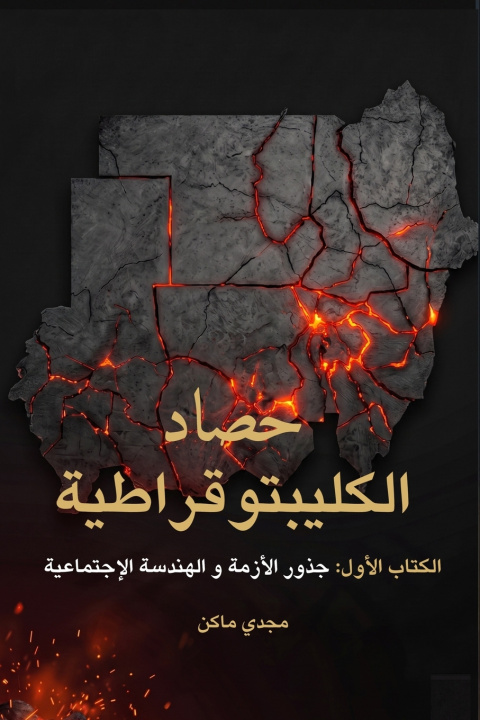
حصاد الكليبتوقراطية - جذور الأزمة والهندسة الاجتماعية
 Arabčina
 47 b
47 b
Až 30 dní na vrátenie tovaru

يقدّم هذا الكتاب قراءة تحليلية معمّقة لتاريخ السودان السياسي والاجتماعي، من خلال مفهوم الكليبتوقراطية بوصفه مفتاحًا لفهم ما آلت إليه الدولة السودانية منذ الاستقلال، بل منذ الجذور الأعمق التي سبقت الاستقلال نفسه. لا يكتفي الكتاب برصد مظاهر الفساد والنهب والاستبداد، بل يتتبع البنية الفكرية والتاريخية التي جعلت الدولة تُدار بوصفها غنيمة، لا بوصفها مشروعًا وطنيًا جامعًا. ومن خلال هذا المنظور، يكشف الكتاب كيف تداخلت السلطة بالثروة، وكيف تشكّلت نخب سياسية ومؤسسية أعادت إنتاج التبعية والإقصاء والهيمنة عبر عقود طويلة.
يناقش الكتاب أيضًا أثر الحكم الاستعماري التركي المصري، ثم الحكم الوطني، ثم حكم الإسلاميين، في تكوين هذا المسار الكليبتوقراطي، ويبين أن ما شهدته السودان خلال العقود الأخيرة لم يكن حادثًا معزولًا، بل امتدادًا لبنية تاريخية متراكمة. كما يتناول الكتاب أزمة دارفور، والحرب، وانهيار الدولة، وتحوّل السودان إلى فضاءٍ مأزوم تتنازعه الانقسامات والاختلالات البنيوية، مع ربط ذلك كله بتطورات الهوية، والحكم، والعدالة، والشرعية السياسية.
ويمتاز الكتاب بأنه لا يقدّم سردًا تاريخيًا فقط، بل يطرح أسئلة فكرية وأخلاقية عميقة حول معنى الدولة، وحدود السلطة، ومسؤولية النخب، وإمكان إعادة بناء السودان على أسس جديدة أكثر عدلًا وإنصافًا. وهو كتاب موجّه إلى القارئ المهتم بالشأن السوداني، وبالتحولات السياسية في أفريقيا، وبفهم العلاقة بين الفساد البنيوي وتفكك الدولة، وبين التاريخ والراهن، وبين السلطة والمجتمع
This book offers an analytical reading of Sudan's political and social history through the concept of kleptocracy, using it as a lens to understand the long crisis of the Sudanese state from independence to the present. It goes beyond simply describing corruption or authoritarian rule and instead traces the deeper historical and intellectual roots that turned the state into an instrument of plunder rather than a common national project.
The book examines the legacies of Turkish Egyptian rule, post-independence governments, and Islamist rule, showing how they shaped Sudan's kleptocratic trajectory. It argues that the crises of recent years were not isolated events, but the result of a much older structure of power, exclusion, and institutional decay. It also addresses Darfur, war, state collapse, and national fragmentation, while linking these issues to identity, governance, justice, and political legitimacy.
What makes this book distinctive is that it raises broader questions about the meaning of the state, the responsibility of elites, and the possibility of rebuilding Sudan on more just and inclusive foundations. It is intended for readers interested in Sudanese affairs, African politics, structural corruption, and the relationship between history and present-day crisis.


Informácie o knihe
Arabčina

Darujte túto knihu ešte dnes
Je to jednoduché
1 Pridajte knihu do košíka a vyberte možnosť doručiť ako darček 2 Obratom Vám zašleme poukaz 3 Knihu zašleme na adresu obdarovanéhoAhoj! Som Libroamiko, tvoj knižný radca.
Ako ti môžem pomôcť?