
 Kontakt
 Ako nakupovať
Doručenie
Nákupný poradca
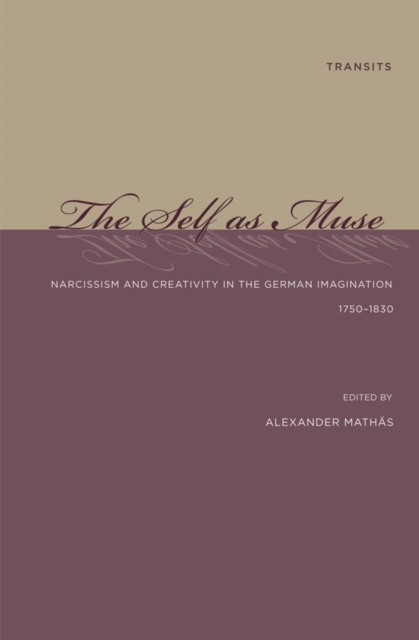
Self as Muse
Narcissism and Creativity in the German Imagination 1750-1830
 Angličtina
 242 b
242 b

While there are countless philosophical and psychological studies that focus on sources of the self, narcissism has found relatively little attention in a pre-Freudian context. The Self as Muse fills this gap by examining various aspects of narcissism and their significance for the outpouring of creativity in late eighteenth and nineteenth-century German literature. In many Eighteenth-century works of the period narcissism refers to the creation of an idealized image of the self and the desire to merge with this image. It provided an impetus for poetic production as writers resorted to the Greek myth of Narcissus to express what they perceived as the inner workings of their soul. Yet they were also acutely aware of the vain, and therefore narcissistic, motivations for their explorations of the self. While those influenced by the Pietist tradition attempted to distinguish between an 'unselfish' self-scrutiny and self-indulging vanity, others like Goethe took advantage of narcissism's creative potential and integrated it into their aesthetic endeavors. The abundance of confessional and autobiographical accounts, the burgeoning of poetry drawing on personal experience, the emergence of a type of drama that is based on empathy, and the concern with an individual's ability to control one's senses and emotions in general testify to an unprecedented interest in notions of the self in German literature. MathSs explains the emergence of narcissism in the literature of the period as a sense-inspired concept that aims to bring about a better comprehension of both the self and other human beings, and how writers used narcissism to improve the moral behavior of their readers. It examines eighteenth-century representations of narcissism against the background of Freudian and post-Freudian notions of the concept, and explores narcissism as a creative process that engages both reader and writer in the production of meaning. By showing narcissism's pervasive allure for a broad array of literary productions, MathSs shows that narcissism is a constitutive force not only in literary production but also in the construction of modern subjectivity. Yet this construction is by no means complete and invites the reader to strive toward the illusive image of an ideal.


Informácie o knihe
Angličtina

Darujte túto knihu ešte dnes
Je to jednoduché
1 Pridajte knihu do košíka a vyberte možnosť doručiť ako darček 2 Obratom Vám zašleme poukaz 3 Knihu zašleme na adresu obdarovanéhoAhoj! Som Libroamiko, tvoj knižný radca.
Ako ti môžem pomôcť?