
 Kontakt
 Ako nakupovať
Doručenie
Nákupný poradca
Pyrrhonian Skepticism
 Angličtina
 129 b
129 b
Zákazníci tiež kúpili












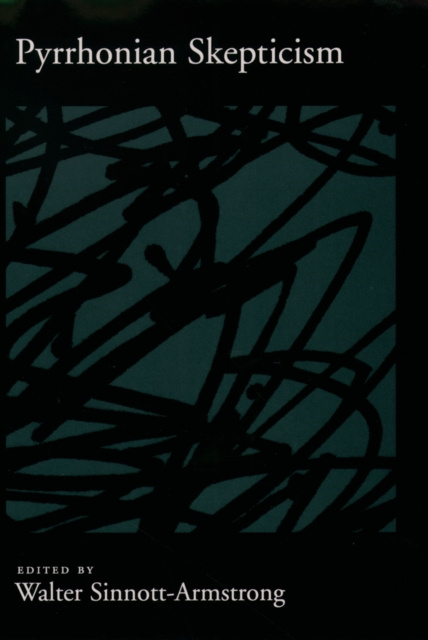
Throughout the history of philosophy, skepticism has posed one of the central challenges of epistemology. Opponents of skepticism--including externalists, contextualists, foundationalists, and coherentists--have focussed largely on one particular variety of skepticism, often called Cartesian or Academic skepticism, which makes the radical claim that nobody can know anything. However, this version of skepticism is something of a straw man, since virtually no philosopher endorses this radical skeptical claim. The only skeptical view that has been truly held--by Sextus, Montaigne, Hume, Wittgenstein, and, most recently, Robert Fogelin--has been Pyrrohnian skepticism. Pyrrhonian skeptics do not assert Cartesian skepticism, but neither do they deny it. The Pyrrhonian skeptics' doubts run so deep that they suspend belief even about Cartesian skepticism and its denial. Nonetheless, some Pyrrhonians argue that they can still hold "e;common beliefs of everyday life"e; and can even claim to know some truths in an everyday way. This edited volume presents previously unpublished articles on this subject by a strikingly impressive group of philosophers, who engage with both historical and contemporary versions of Pyrrhonian skepticism. Among them are Gisela Striker, Janet Broughton, Don Garrett, Ken Winkler, Hans Sluga, Ernest Sosa, Michael Williams, Barry Stroud, Robert Fogelin, and Roy Sorensen. This volume is thematically unified and will interest a broad spectrum of scholars in epistemology and the history of philosophy.


Informácie o knihe
Angličtina

Darujte túto knihu ešte dnes
Je to jednoduché
1 Pridajte knihu do košíka a vyberte možnosť doručiť ako darček 2 Obratom Vám zašleme poukaz 3 Knihu zašleme na adresu obdarovanéhoMohlo by vás tiež zaujímať

 /
/
 Brožovaná
 9.61
€
9.61
€







 /
Brožovaná
12.04
€
/
Brožovaná
12.04
€
 /
Brožovaná
11.83
€
/
Brožovaná
11.83
€











 /
Pevná
131.98
€
/
Pevná
131.98
€

Ahoj! Som Libroamiko, tvoj knižný radca.
Ako ti môžem pomôcť?