
 Kontakt
 Ako nakupovať
Doručenie
Nákupný poradca
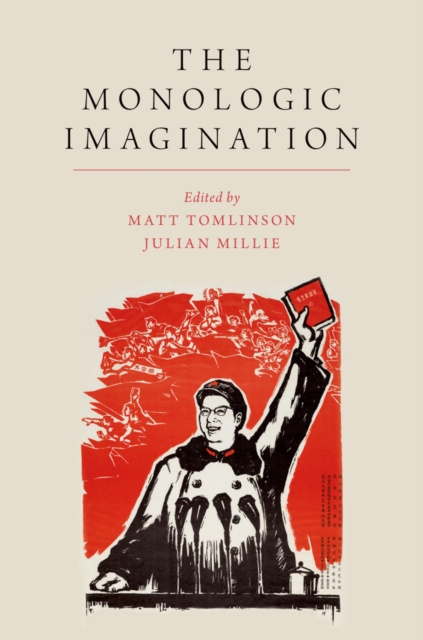
Monologic Imagination
 Angličtina
 90 b
90 b
Zákazníci tiež kúpili














 /
/
 Brožovaná
 12.63
€
12.63
€



The pioneering and hugely influential work of Mikhail Bakhtin has led scholars in recent decades to see all discourse and social life as inherently "e;dialogical."e; No speaker speaks alone, because our words are always partly shaped by our interactions with others, past and future. Moreover, we never fashion ourselves entirely by ourselves, but always do so in concert with others. Bakhtin thus decisively reshaped modern understandings of language and subjectivity. And yet, the contributors to this volume argue that something is potentially overlooked with too close a focus on dialogism: many speakers, especially in charged political and religious contexts, work energetically at crafting monologues, single-voiced statements to which the only expected response is agreement or faithful replication. Drawing on ethnographic case studies from the United States, Iran, Cuba, Indonesia, Algeria, and Papua New Guinea, the authors argue that a focus on "e;the monologic imagination"e; gives us new insights into languages' political design and religious force, and deepens our understandings of the necessary interplay between monological and dialogical tendencies.


Informácie o knihe
Angličtina

Darujte túto knihu ešte dnes
Je to jednoduché
1 Pridajte knihu do košíka a vyberte možnosť doručiť ako darček 2 Obratom Vám zašleme poukaz 3 Knihu zašleme na adresu obdarovanéhoMohlo by vás tiež zaujímať




 /
Brožovaná
30.01
€
/
Brožovaná
30.01
€


 /
Brožovaná
86.32
€
/
Brožovaná
86.32
€





 /
Brožovaná
32.74
€
/
Brožovaná
32.74
€
Ahoj! Som Libroamiko, tvoj knižný radca.
Ako ti môžem pomôcť?