
 Kontakt
 Ako nakupovať
Doručenie
Nákupný poradca
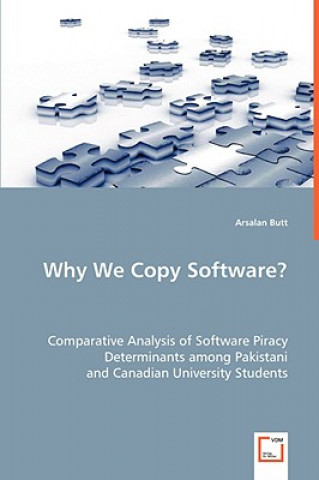
Why We Copy Software?
Comparative Analysis of Software Piracy Determinants among Pakistani and Canadian University Students
 Angličtina
 142 b
142 b
30 dní na vrátenie tovaru
Zákazníci tiež kúpili

 /
/
 Brožovaná
 25.94
€
25.94
€











 /
Brožovaná
63.80
€
/
Brožovaná
63.80
€

Unauthorised copying of software (generally referred to as software piracy) is widespread in many parts of the world. P2P websites have made it easier to access pirated software, which has resulted in increased emphasis on the issue of software piracy in both the software industry and research community. Some factors that determine software piracy behaviour include poverty, cultural values, ethical attitudes, and level of education. Most of the existing empirical studies have looked at software piracy as an intentional behaviour. This study explores the demographic, ethical and socio-economical factors that can represent software piracy as an unintentional behaviour among university students of a developing country. The author has conducted a comparative analysis of university students from Pakistan and Canada, two countries that significantly differ economically and culturally. The results of the study indicate that software piracy behaviour is different in both groups of students, but that there are also some similarities. Reasons of copying software by students are highlighted and analysed. Future research directions and implications are also presented.


Informácie o knihe
Angličtina

Darujte túto knihu ešte dnes
Je to jednoduché
1 Pridajte knihu do košíka a vyberte možnosť doručiť ako darček 2 Obratom Vám zašleme poukaz 3 Knihu zašleme na adresu obdarovanéhoMohlo by vás tiež zaujímať


 /
Pevná
199.40
€
/
Pevná
199.40
€
















Ahoj! Som Libroamiko, tvoj knižný radca.
Ako ti môžem pomôcť?